1. Research and analysis
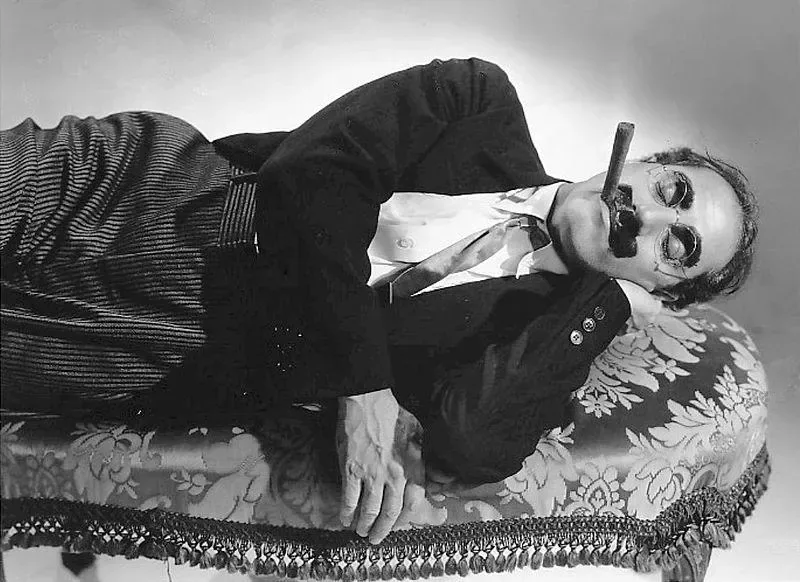
I was looking for a free topic for a personal Design Thinking project when I remembered the recent TV ad for Cruzcampo beer.
If you haven’t seen it, here it is:
The agency behind the campaign, Ogilvy (opens in a new tab), and the company in charge of the technical side, Metropolitana (opens in a new tab), had managed to bring back to life none other than La Faraona, the Spanish singer Lola Flores, in a way that made you really feel her strength again. We hadn’t seen that essence of the real Lola Flores since her death in 1995. Amazing!
During the pandemic we have had to live through, we suddenly faced thousands of deaths that left a lot of pain in families and friends. On top of that, there was no chance to say goodbye, not in hospitals and not even later, in funeral homes, cemeteries or funerals. Grief has been “lived” in an individual, tragic and unnatural way.
Death seemed to me a “sadly” fascinating topic, worth analyzing and studying through a Design Thinking (futures design) methodology.
My first thought was:
Is it possible to find a design centered on the user who is alive… and also on the one who is dead?
Said like this it sounds strong, but death has been there since the beginning of time and it doesn’t have to be a taboo. At least, that’s how I see it.
With the topic approved, I asked myself a series of questions to help me start the work:
- The thousands of data points we collect today open up a world of possibilities. If there is so much information about us online that analyzes our tastes, feelings, hobbies and thoughts… what really happens to that information when we leave this world?
- Could we use technology and the user’s leftover personal data for another purpose once we are gone?
- Could big data and artificial intelligence help us get through the hard time of losing a loved one?
- How many times have we thought about a loved one who is no longer with us, wanting to ask them something? For example, before an important decision in life: what would my grandfather have advised me here?
- Could we have a conversation through a chat, or software similar to Zoom, but “from the other side”?
Desk research
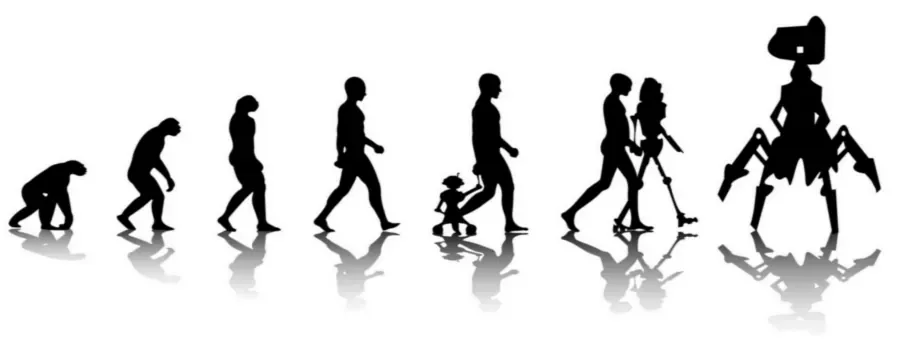
I started researching to see what we had in our hands, and immediately came across a movement I had rarely heard about: transhumanism. It is an intellectual movement that proposes going beyond the natural limits of humanity through technological improvement and, eventually, separating the mind from the human body.
For example, Elon Musk, a declared transhumanist, recently presented his latest frontier: Neuralink (opens in a new tab), which he described as a transcranial implant that uses direct current stimulation. For now, the device is intended to help people with spinal cord injuries.
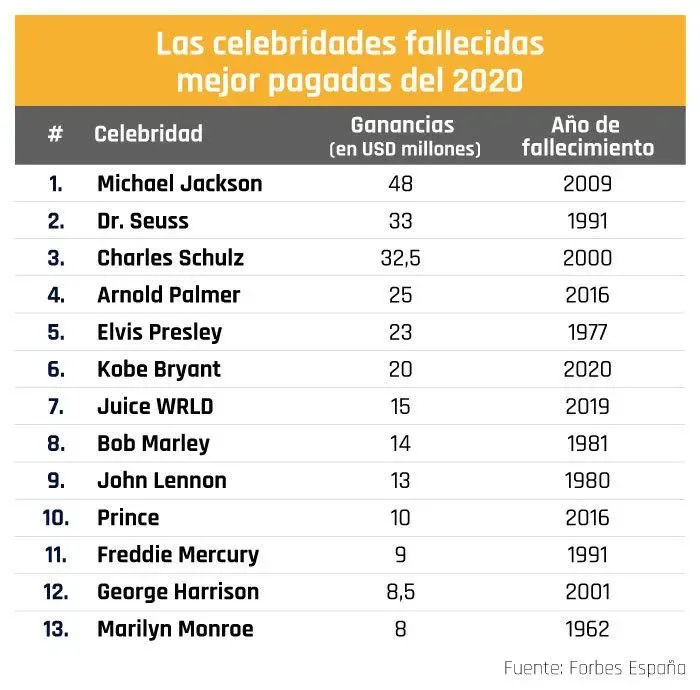
I also researched the income celebrities make after they die. Death doesn’t seem to stop them from “working” (and earning). Forbes’ 2020 list of the top-earning dead celebrities is a clear example of how much money they move.
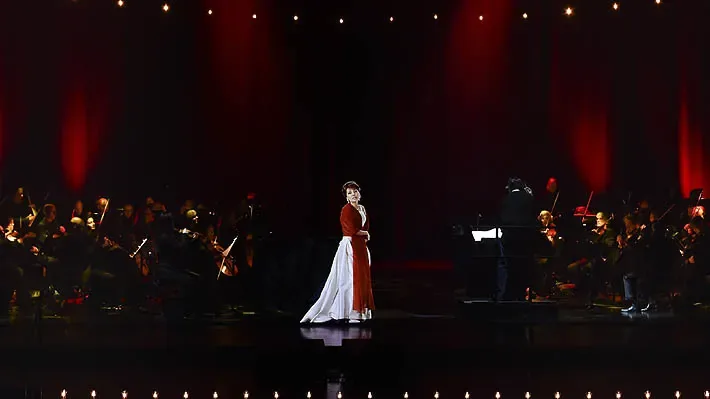
I also discovered how technology is not only bringing the dead back to the cinema (I already knew that), but now they even fill theaters.
Here, the dead can interact with a live orchestra through a hologram, like the great and now omnipresent Maria Callas does. She even seems to react to the emotions of the live audience in their seats. Incredible!
In another line of research, I came across another concept I didn’t know: digital necromancy.
With advances in artificial intelligence, it is already possible to bring the dead back to life, in a way. This is thanks to deepfakes, which let us impersonate anyone, alive or not.
Deepfakes are videos that use artificial intelligence to take a person’s facial features from a collection of still images and then sync them with their voice to create simulated dialogues. That is what was done in the Lola Flores video above, but it is also used for dangerous fake news.
The famous viral video in which actor Jordan Peele impersonated Obama, which everyone believed, by the way, is one example.
“Dead” people who are still “alive”, leaving a mark on others
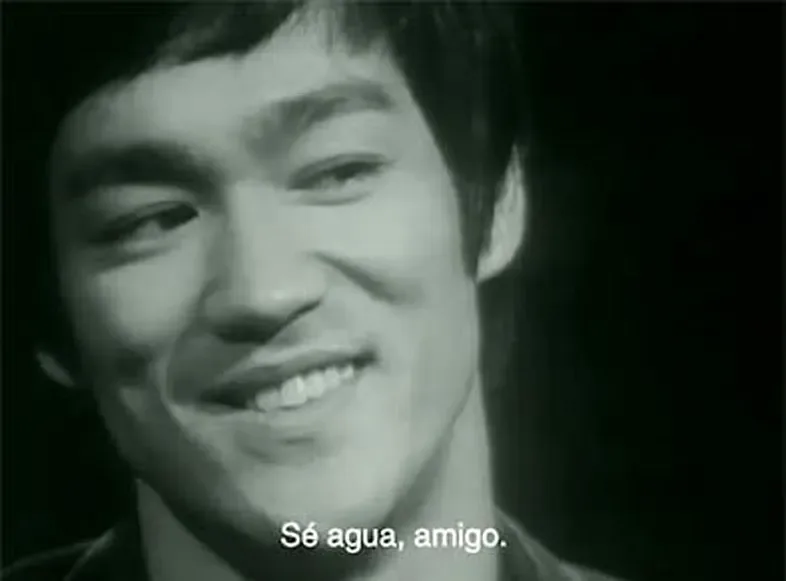
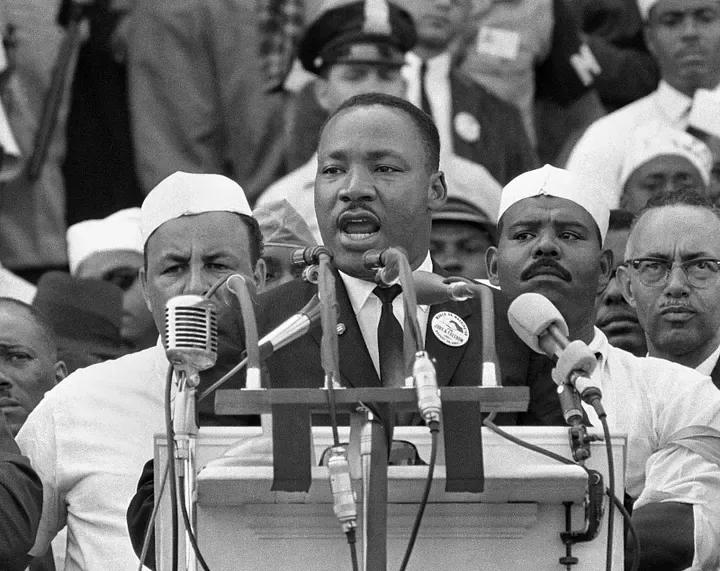
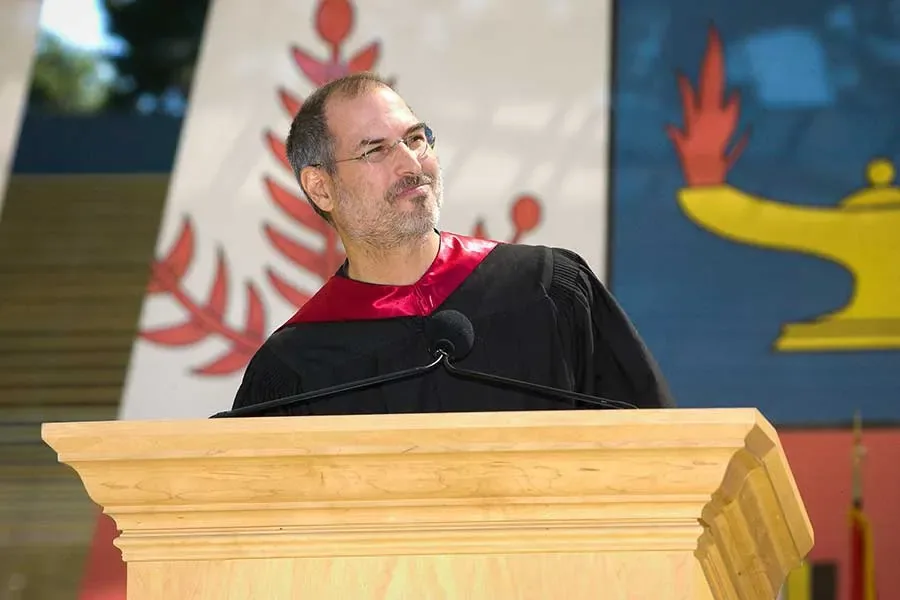
I also looked at something very interesting: many of the most viewed videos in history are of people who are sadly no longer with us, but who left their mark. Who doesn’t know what I mean?
Survey
At this point I had analyzed a lot of rich information, but I needed to check some of my hypotheses with a representative group of people through a survey, so I could validate them.
Since it was a survey about death, I had to find a way to make it fun. I needed to make the topic feel lighter.
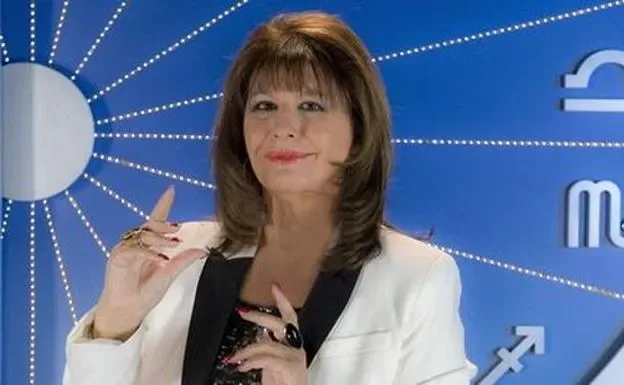
A survey that brought me “Esperanza” (hope) and that respondents found quite “Gracia” (funny).
The questions were grouped into several topics that seemed totally unrelated: death, privacy on the internet and education, among others. Later you will understand why…
I split the survey by gender and age range, in case I saw any striking indicator that made me keep researching.
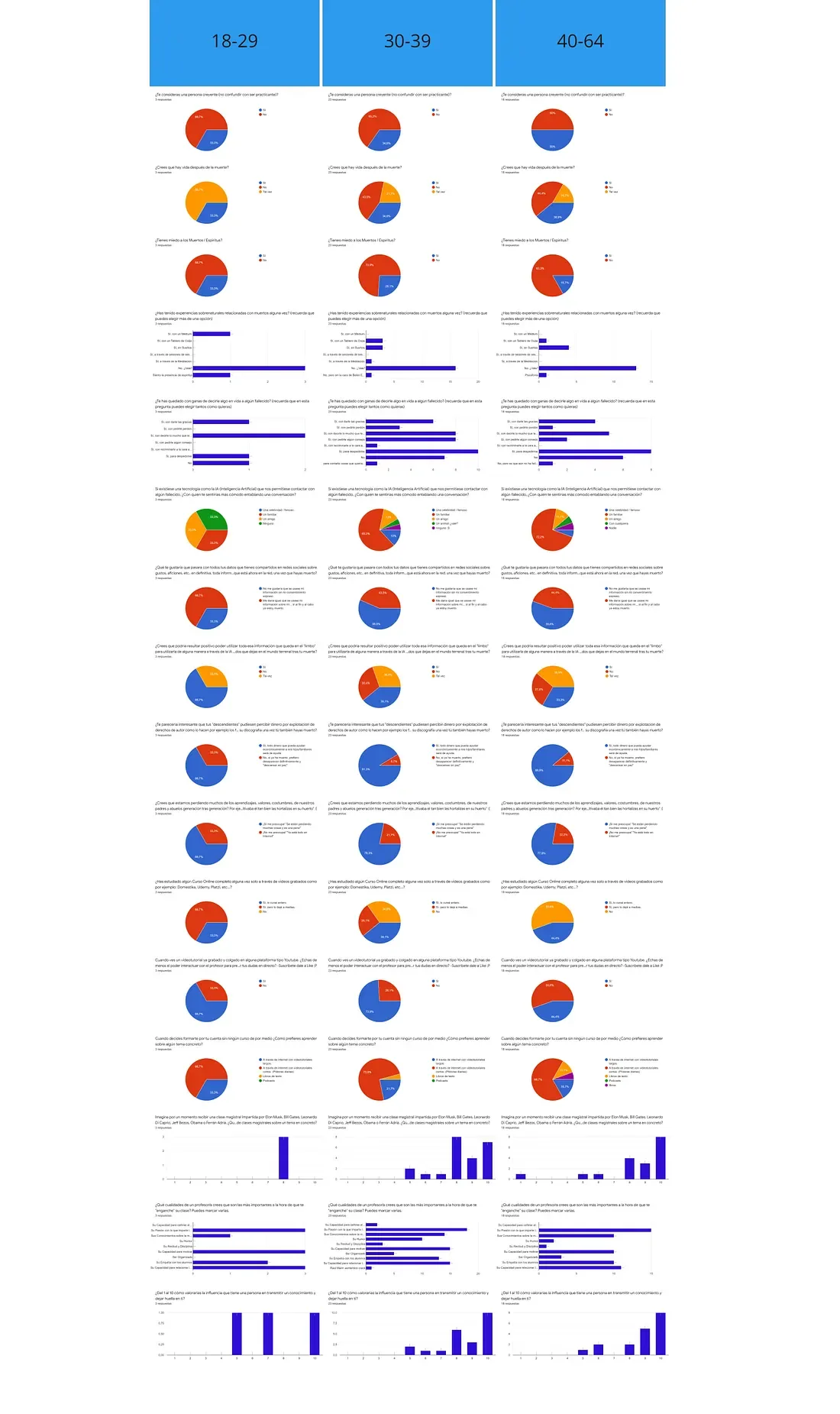
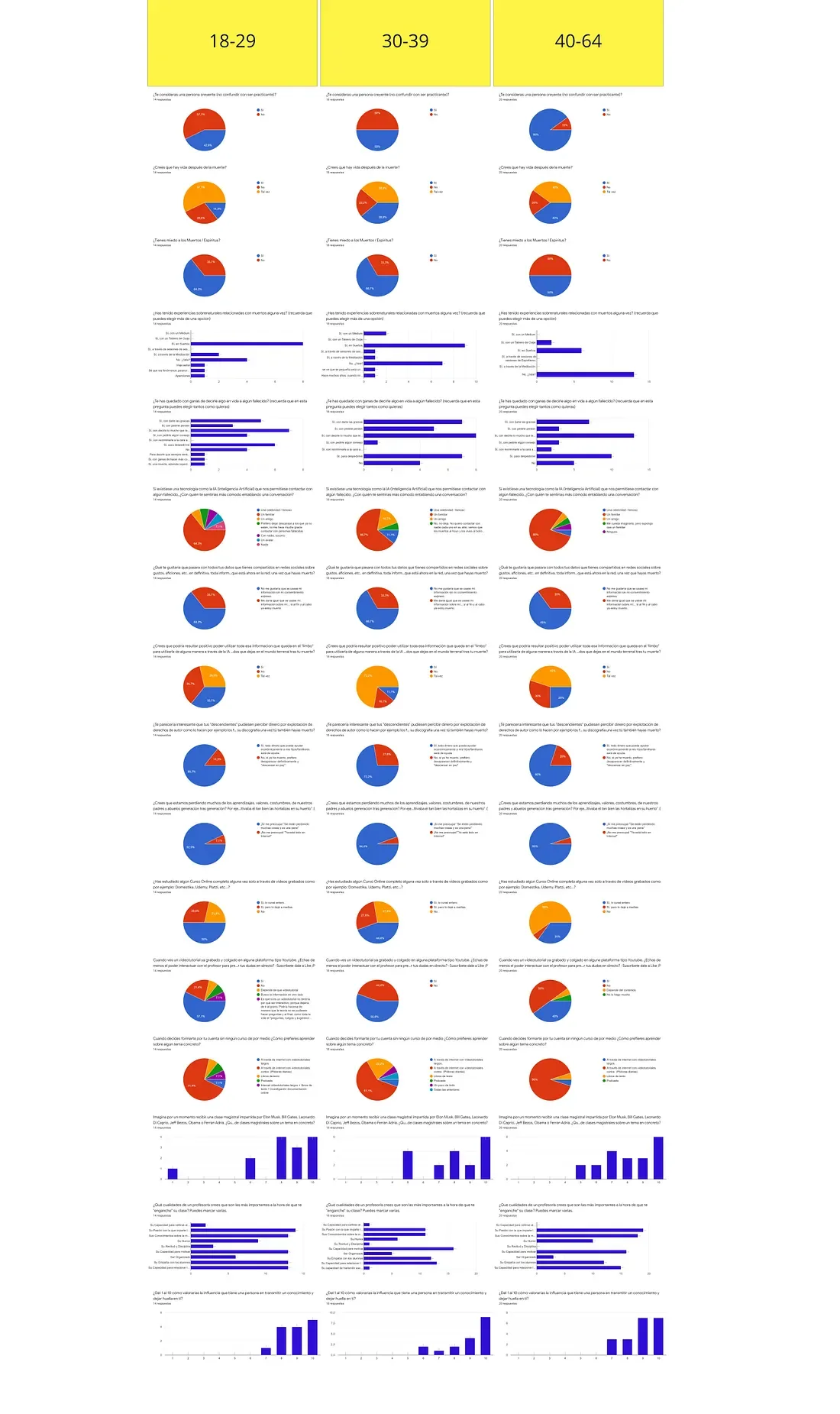
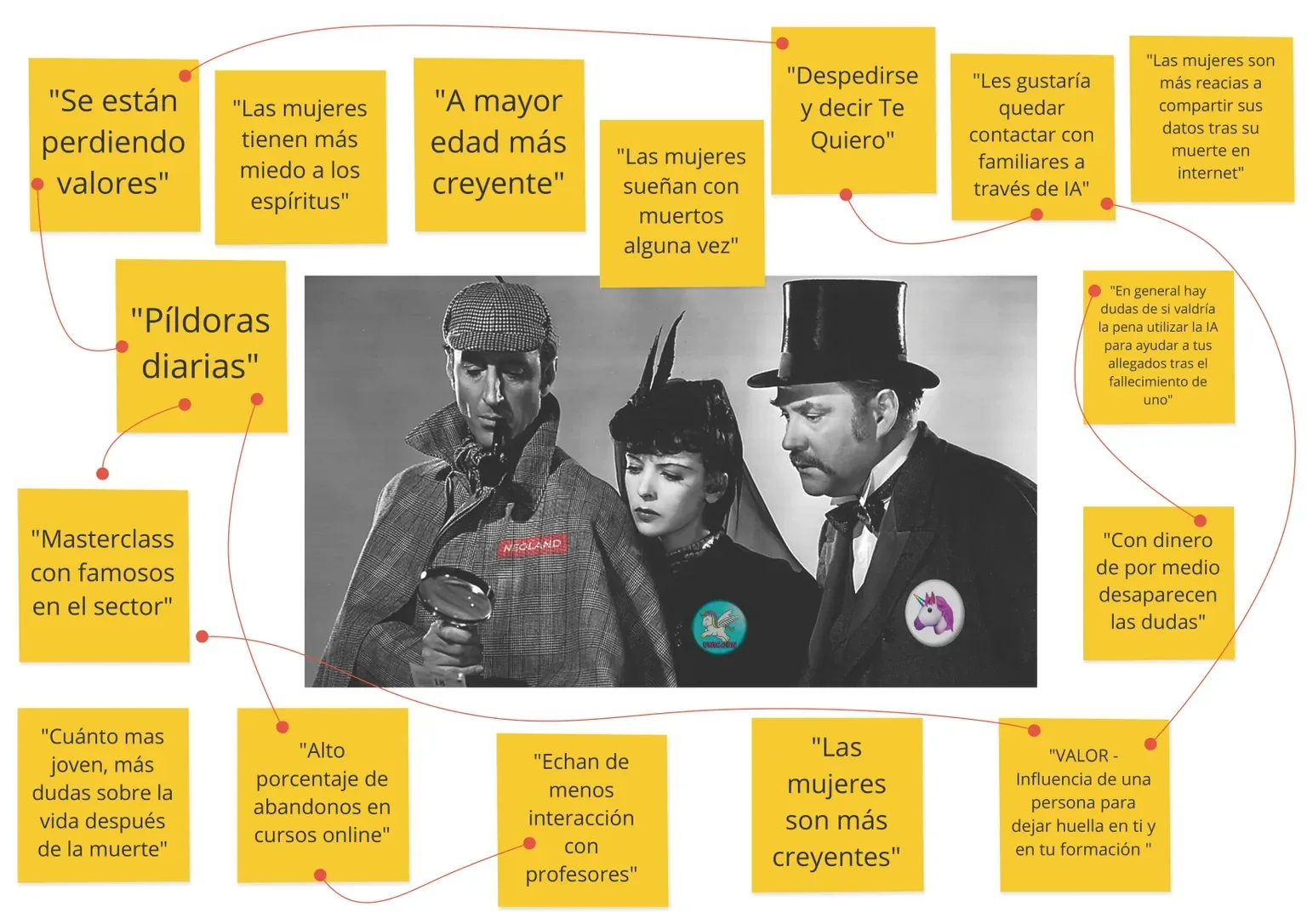
I got so much information from these surveys that I decided I needed a detective board to connect answers and organize the ideas and findings.
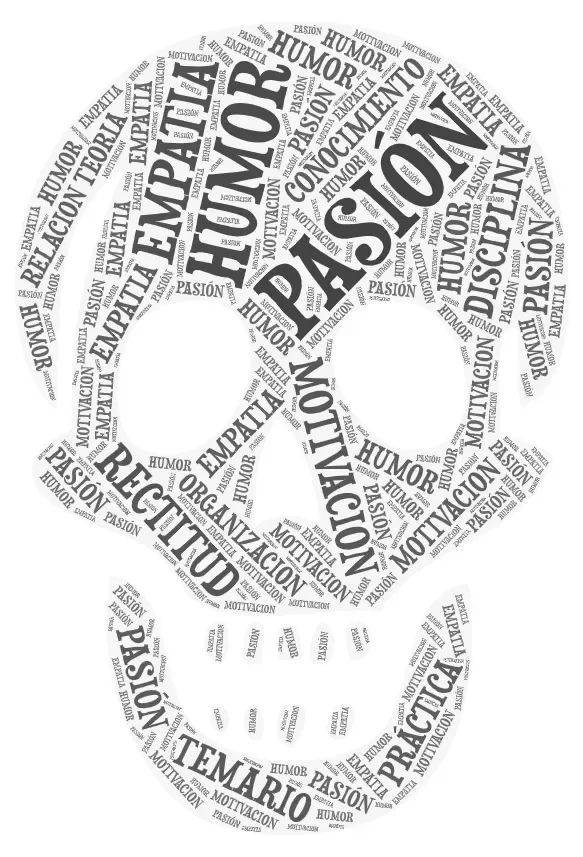
On the education topic, I wanted to know which qualities of a teacher or mentor have a positive impact on the learning experience. For this, I built a tag cloud that shows how important each quality is. Words like passion, empathy, motivation and humor stand out.
User personas
Once all the information was analyzed, the next step was to build two different user personas, to empathize with them through their profiles. This is key to shaping a future minimum viable product (MVP) with good judgment; that is, with a design centered on a good user experience.
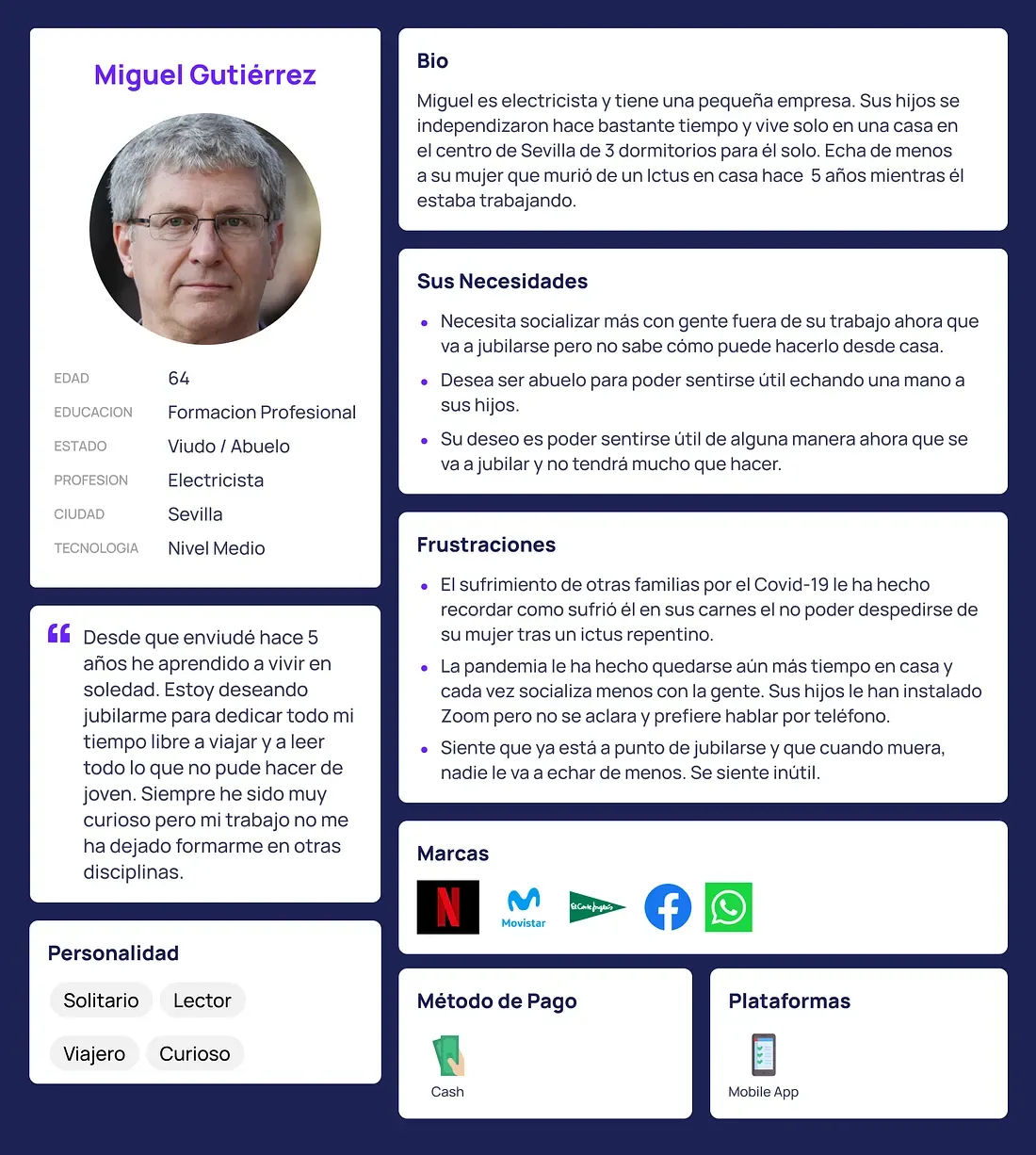
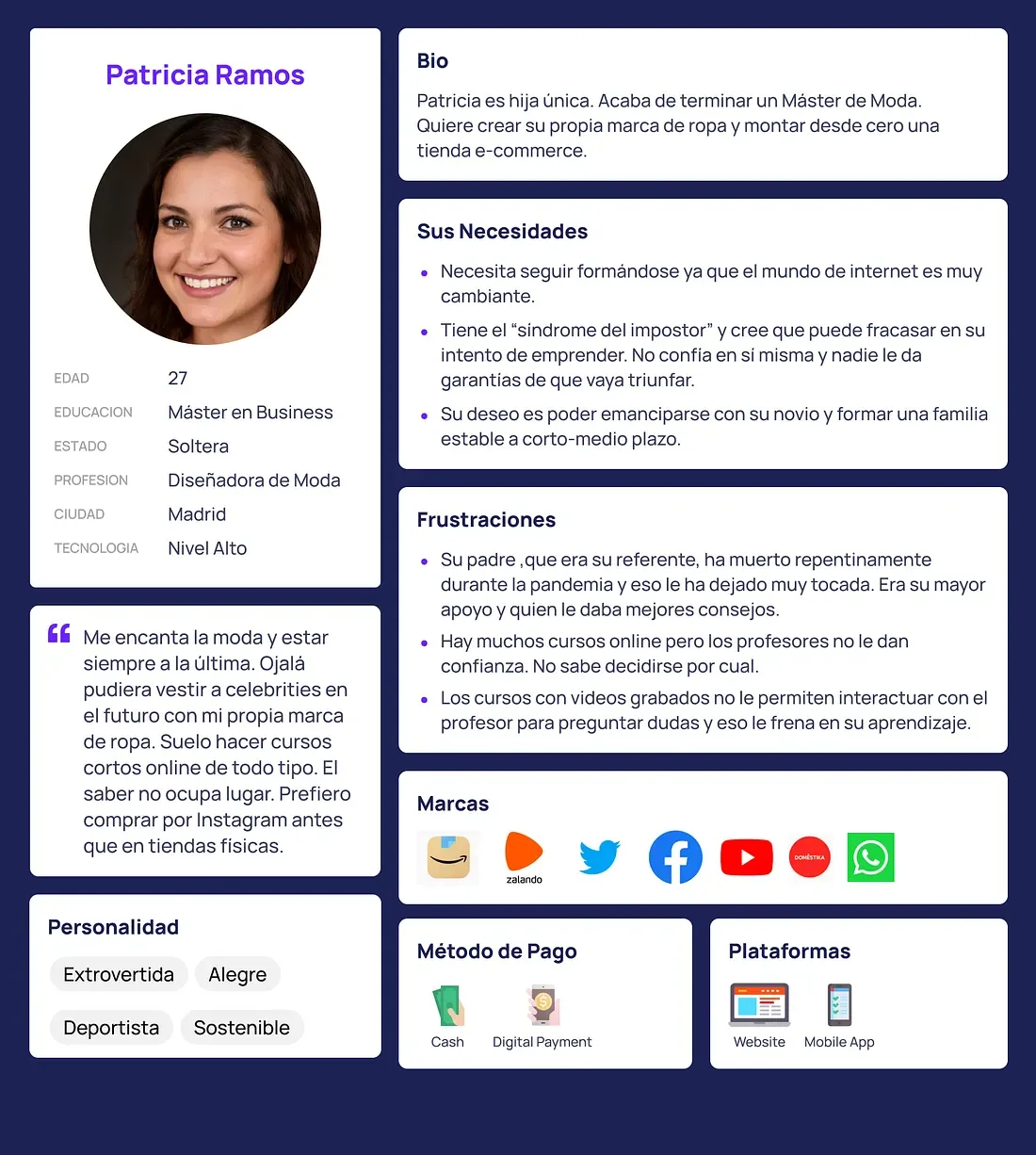
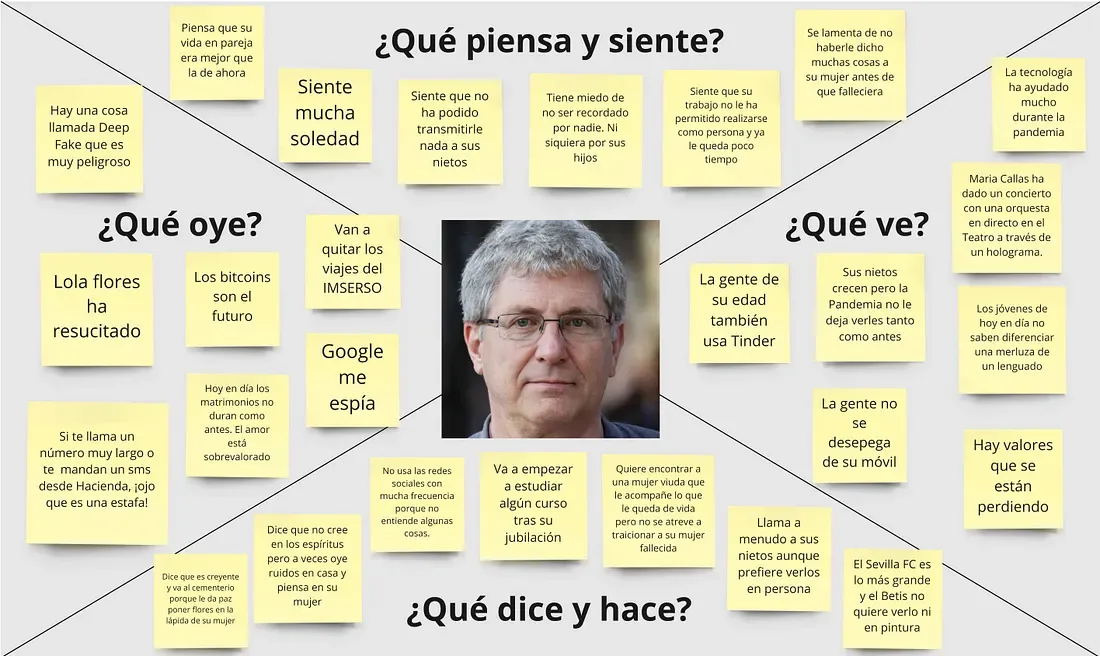
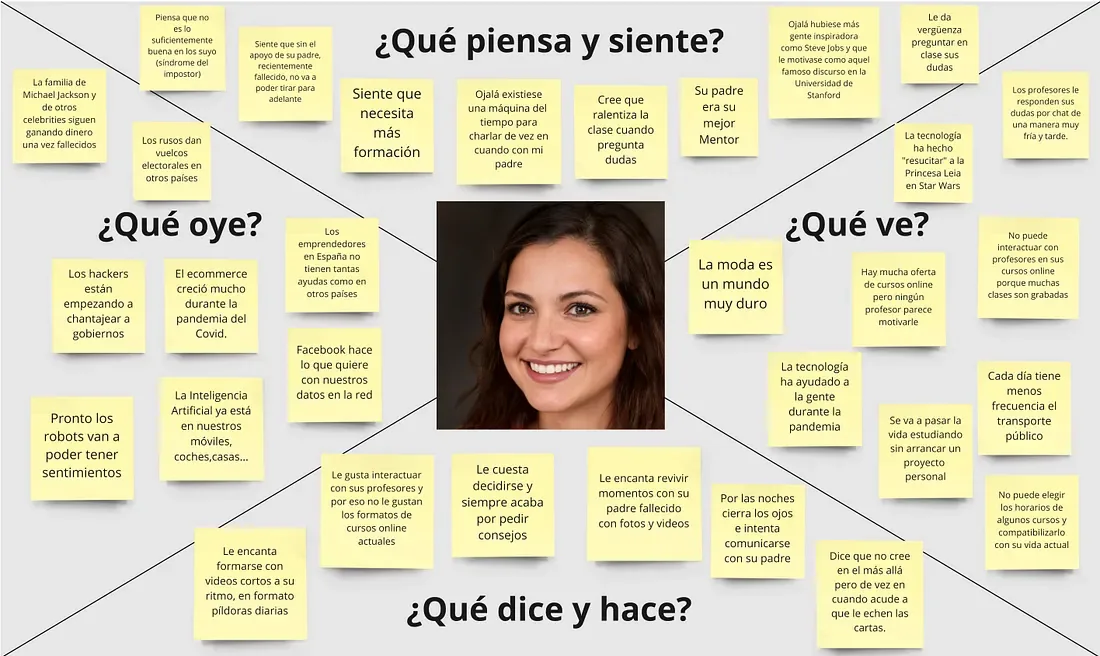
With this first part of research and analysis done, it would be much easier to start the second process: turning ideas into something real.
2. Ideation and implementation
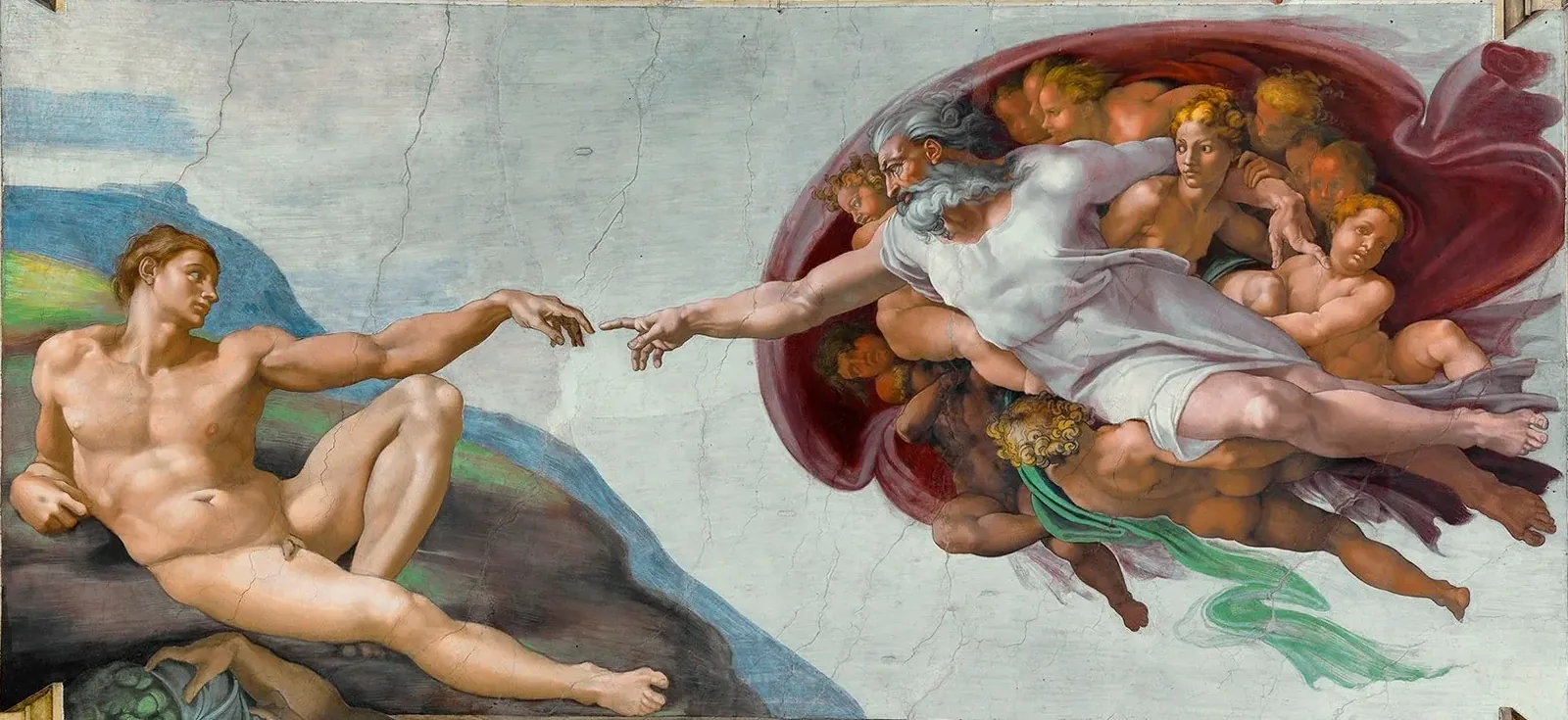
God created Adam, or so we have been told metaphorically, but… what happens after death? Hell, limbo, heaven…? Isn’t there a new way to stay on Earth somehow?
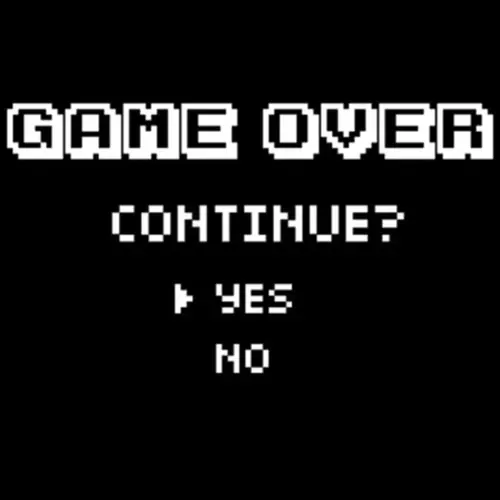
This is when I started to shape a series of insights by mixing two concepts: “education” and “resurrection”. I decided to start by testing the technology that is already within our reach. For this, I learned to use Avatarify, open-source software that uses artificial intelligence to place anyone’s face over your video image, in real time. A real deepfake!
Very easy, but… going back to the Lola Flores ad, the problem is still the essence of these people. What they say depends on what I say.
I can become Steve Jobs and say that Android is a much better system than iOS!
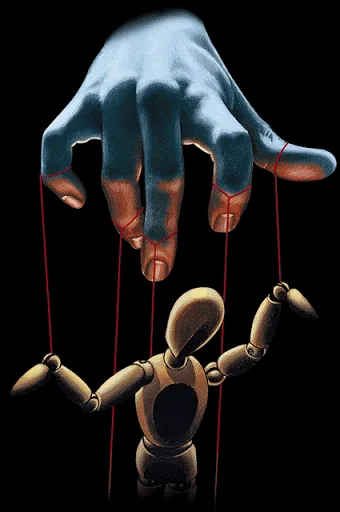
That doesn’t work for us…
Also, believe me, I’m not a good enough “actor” to study all these people and bring out everything inside them in a believable way. What we would be doing is a crude identity theft through a deepfake. It has no clear use and doesn’t solve any problem. It had to be something more ambitious!
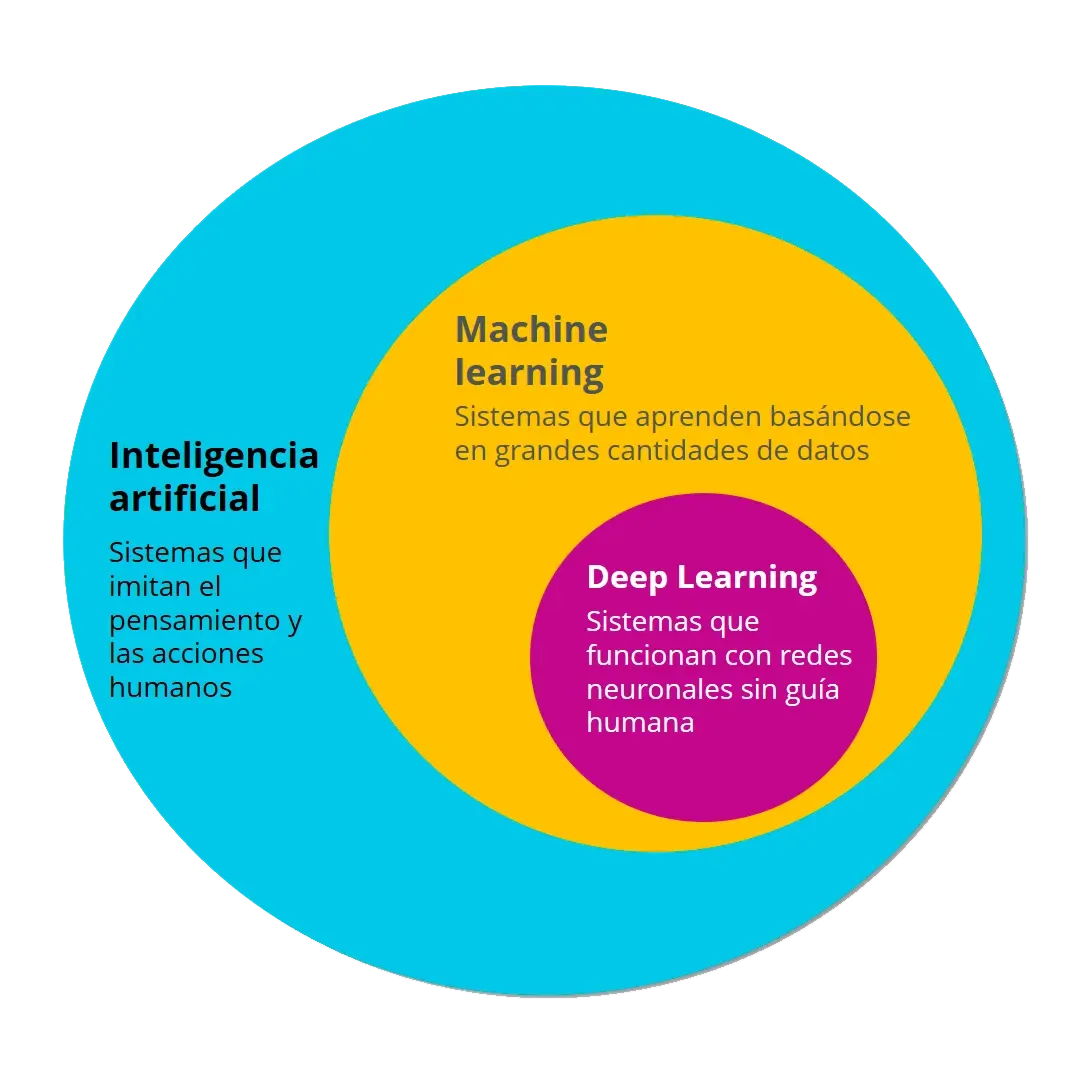
That’s when Michelangelo’s fresco on the Sistine Chapel ceiling came to mind once again. But this time I brought it back to “customize” it a bit (what a sacrilege), applying concepts like deep learning, artificial intelligence and machine learning.
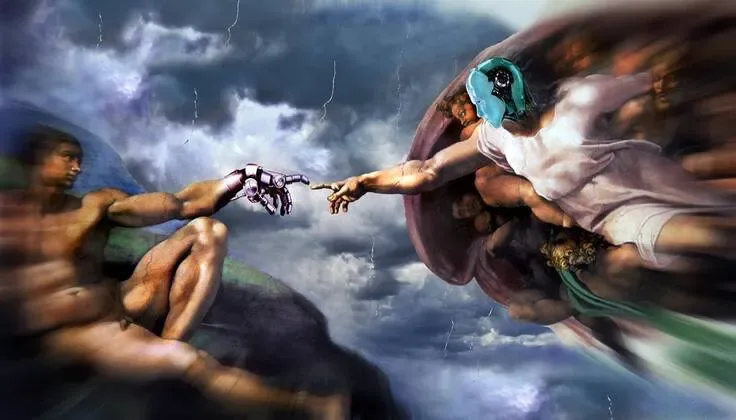
With these three concepts, we really could recover the essence of people who are no longer with us, and of those who still are… Why not?
Reevolve is born
This is the moment when Reevolve starts to take shape. But before telling you why it was created, let’s place the project in context through a benchmark of the competition.
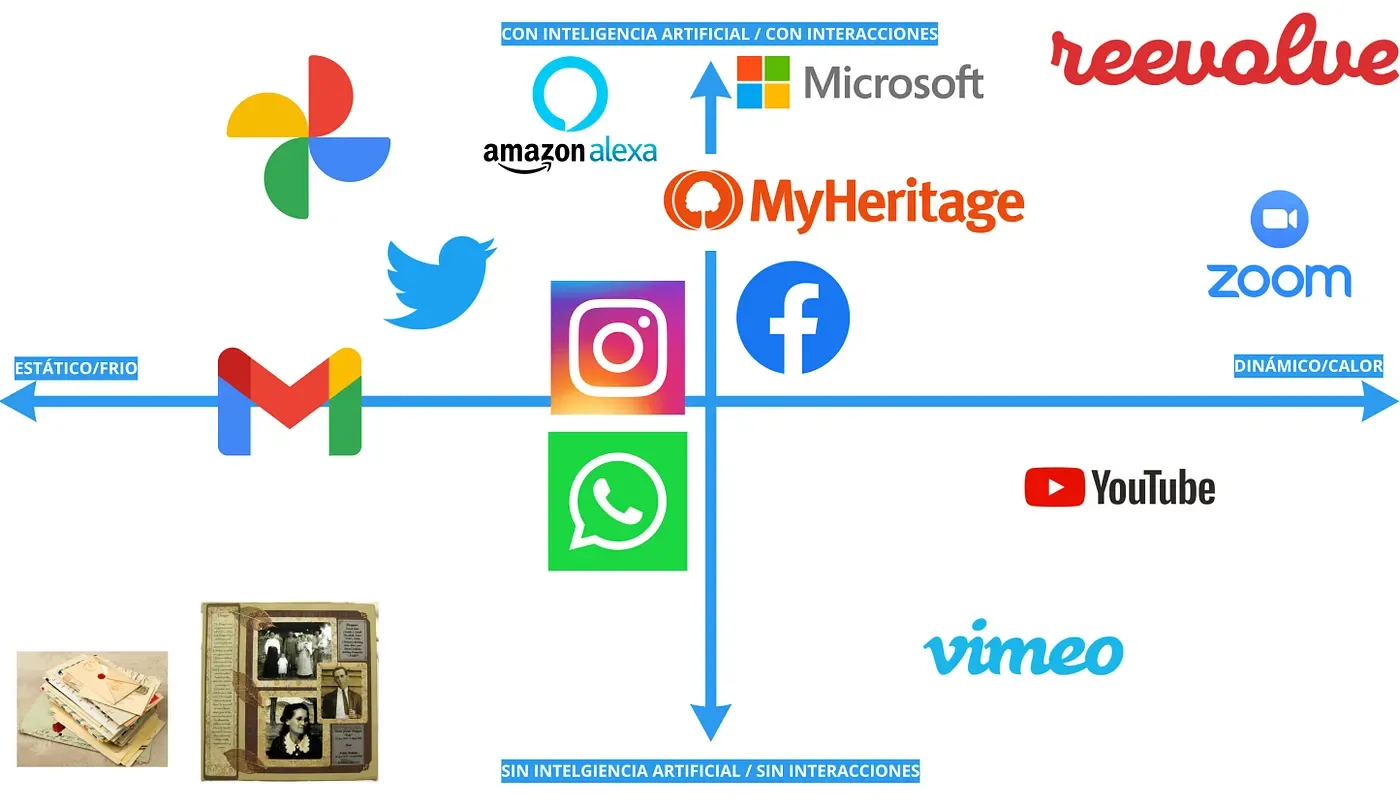
In the following matrix, we can see the ways we usually remember people who have died: from reading an old letter or looking at photos in a physical album, as our grandparents did, to reading an archived WhatsApp conversation or watching a YouTube video or a recorded Zoom call.
This matrix shows where Reevolve wants to sit in relation to the other products on the market. We are clearly talking about a small blue ocean where technology, and more specifically artificial intelligence, and a dynamic experience are the main focus.
Challenge: interaction-life vs memory-death
Once we understand where we are, it’s time to explain where we want to take our platform. Nothing better than a visual example to understand our goals:
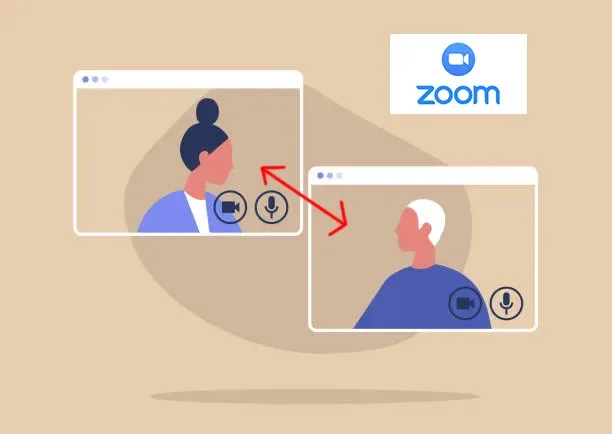
In life, the interaction between people (dynamism, warmth) in a live video call through software like Zoom goes both ways, like any conversation on the street. Logically, this is lost when one of the two people dies.
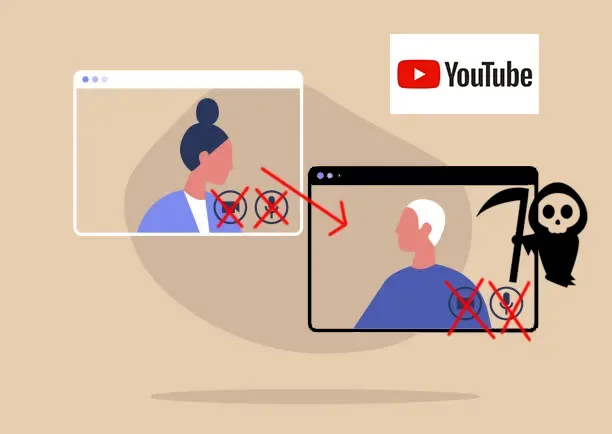
When one side leaves the conversation, the dynamism leaves with it. Without interaction, the “warmth” of the conversation turns “cold”. We could say the video call becomes a recorded video that only goes one way, like any YouTube video. You can only watch and listen, with no “right to reply”.
With death, only the memory remains…
Digital identity
Lately there is a lot of talk about our “digital footprint”. It is a very interesting concept, because it includes all the records and traces we leave when we use the internet. These records are information about each of us that third parties can use to make money, or to learn our tastes and sell their products better.
This huge amount of data is what we know as big data. So we can say that every internet user has a digital identity that leaves a footprint: an online “self” that includes the data we leave on the web as consumers of online content and products.
A curious fact to think about:
The Oxford Internet Institute analyzed the situation Facebook could be in a few decades from now, since the social network lets you turn the profiles of users who have died into memorial accounts.
Based on 2018 user data, the researchers estimated that 1.4 billion current users will have died before 2100, so by 2070 the social network could have more profiles of dead people than living ones.
So, where do our footprint and digital identity go when we die? It seems that very few people are thinking about what will happen to their digital legacy.
Why not use this legacy responsibly, with the users’ prior consent?
Let’s look at a practical example:
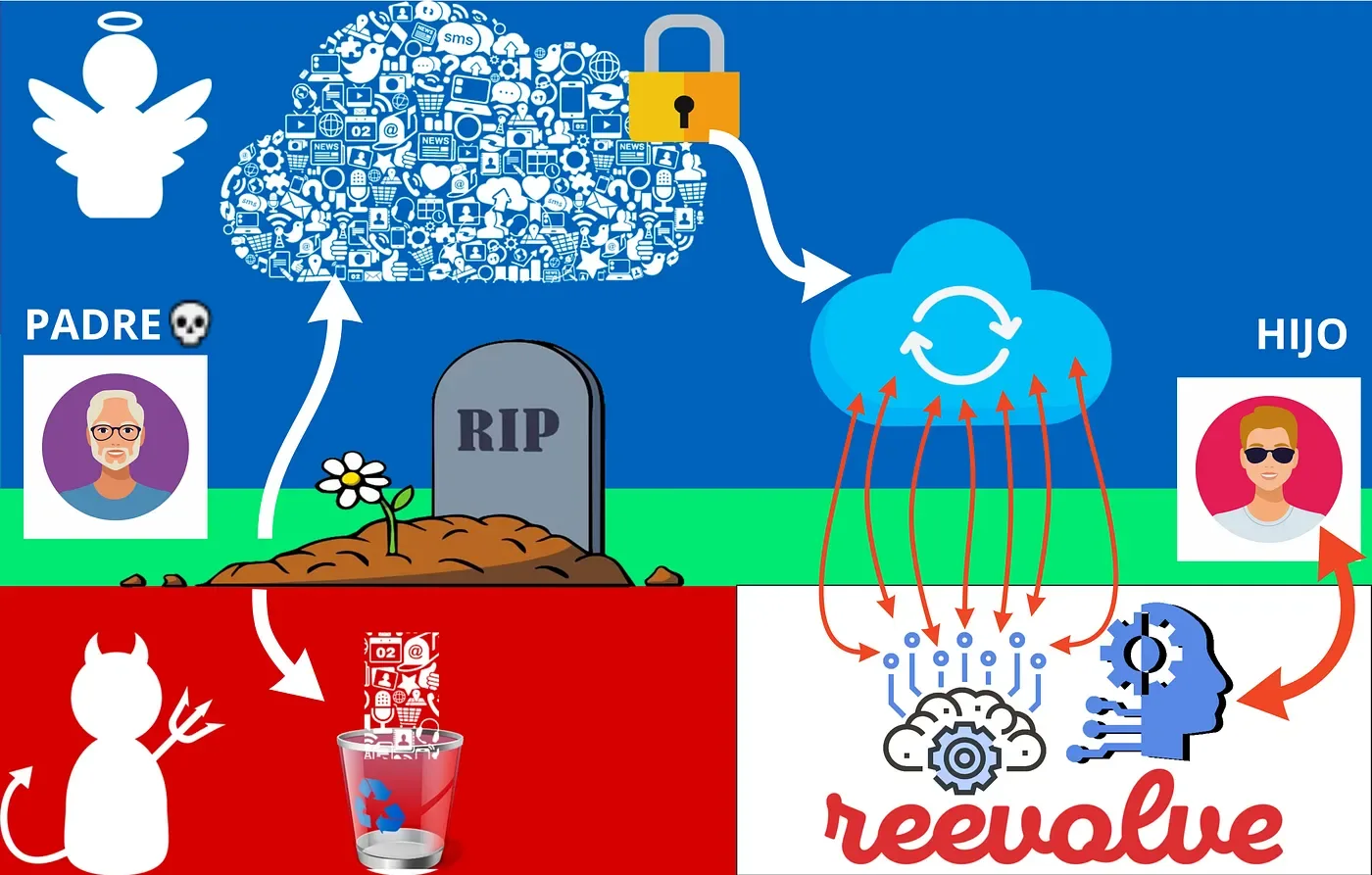
Imagine for a moment that a father gives his explicit consent so his son can use his digital identity on platforms like Reevolve. When the father dies, part of his stored footprint will go to “hell”, or the recycle bin (we all have our secrets…), and the rest will be stored encrypted in the cloud. When his son opens Reevolve, all this information will sync with the platform.
Through a complex system of deep learning, artificial intelligence and machine learning, we can give shape to this information and “bring the dead back to life”.
It sounds like science fiction, but soon a father who has died could interact with his son in a way quite close to reality. Time will tell!
What is its real potential?
This is where the educational side of the Reevolve idea comes in.
As we saw at the beginning, some of the most viewed videos in history are of people who left their mark with their speeches. For example, Steve Jobs’ speech at Stanford University in 2005, or Martin Luther King’s legendary “I have a dream”.
It’s a shame to lose such influential people forever. They still capture our attention with recorded videos that always say the same thing. Imagine if they could speak again and tell us something new…
Wouldn’t you love to “bring back” Steve Jobs to present the news at future Apple events, or to enlighten you about the importance of design?
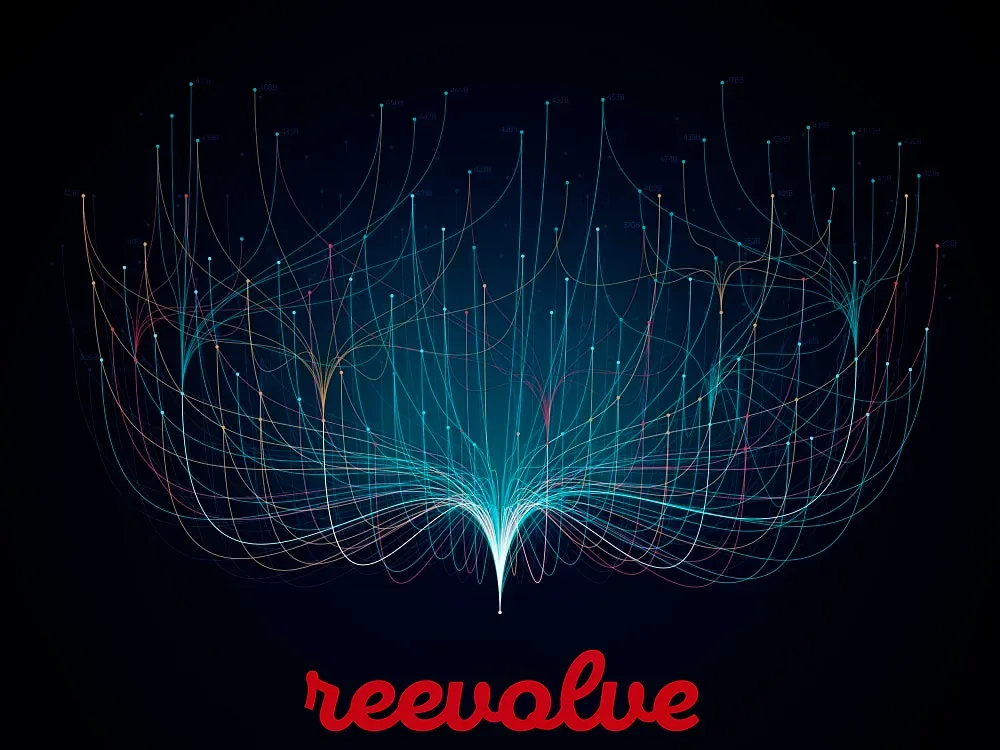
For all these reasons, Reevolve doesn’t only want to offer a tool to bring back a family member or friend for private conversations, although it does that too. It also wants to open up to a more public platform, like Domestika, with interactive courses from the most influential people in each field, who could teach (interacting with students) in a much more educational, dynamic and motivating way.
Before explaining Reevolve in depth, I’d like to talk about Neoland (opens in a new tab), the UX/UI design school where I recently had the pleasure of doing a bootcamp.
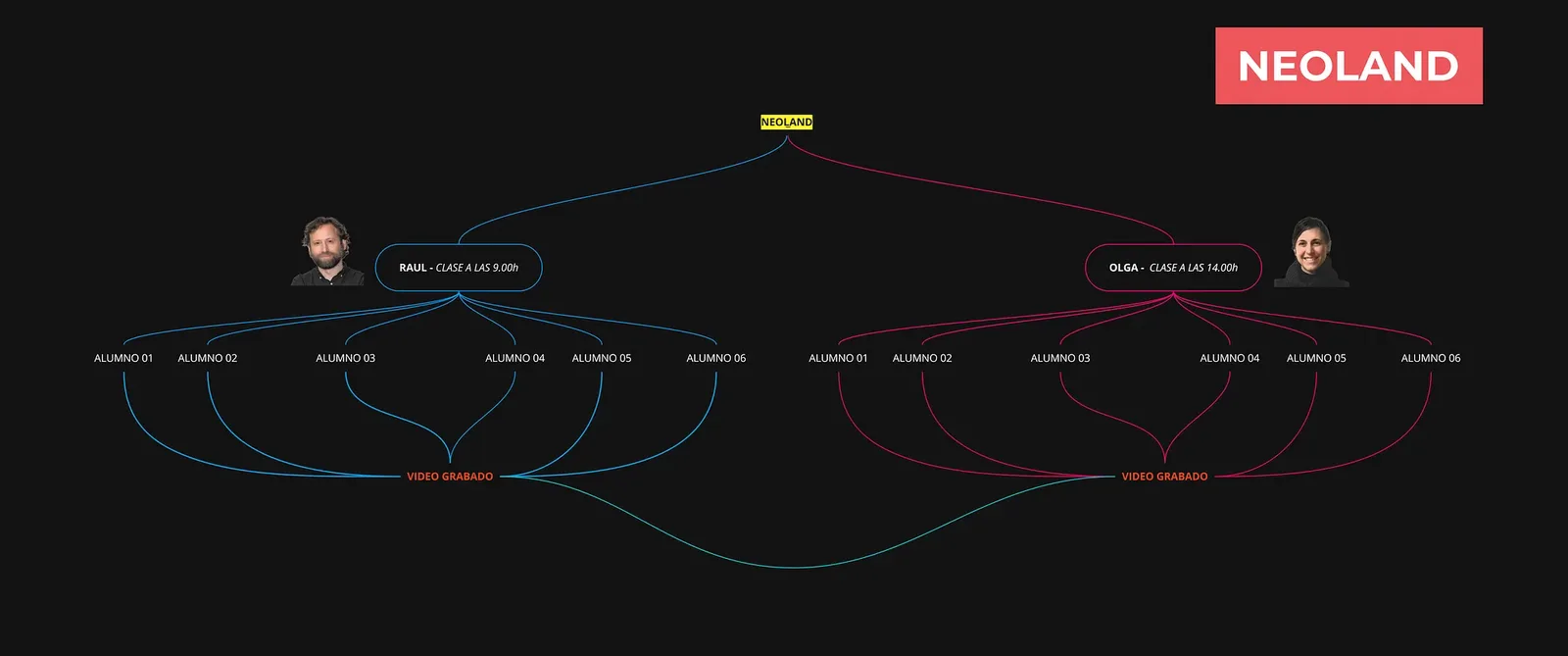
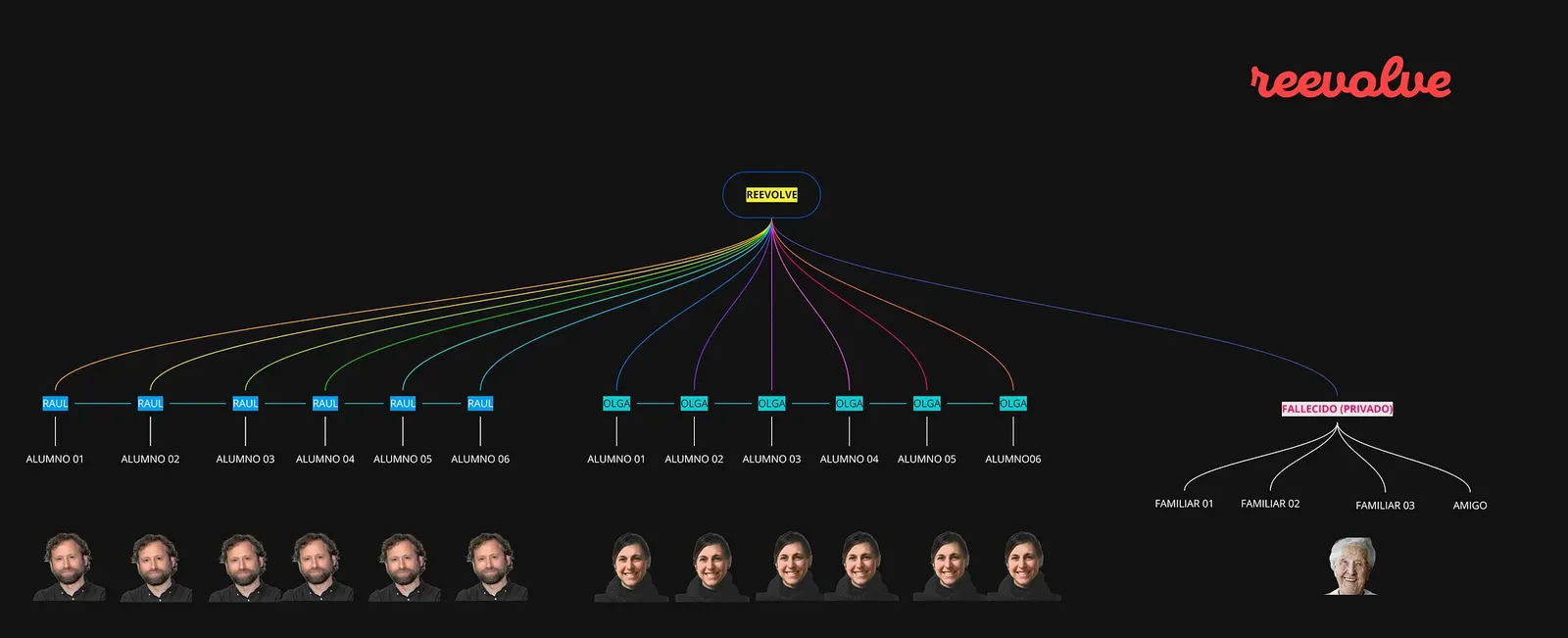
There I was lucky to have two great teachers. In the morning I learned with Raúl (opens in a new tab) from 9:00, and in the afternoon with Olga (opens in a new tab) from 14:00. Classes were always recorded, in case someone couldn’t attend and wanted to watch them another day.
Of course, whoever watched the recording couldn’t interact with the teachers or the other students in that class, and their learning experience that day probably wasn’t as good.
We all get older, and one day we will physically disappear…
However, I refuse to believe that people (mentors) who leave a mark on others could disappear forever. Maybe the time has come to keep certain people alive forever online, so we can interact with them.
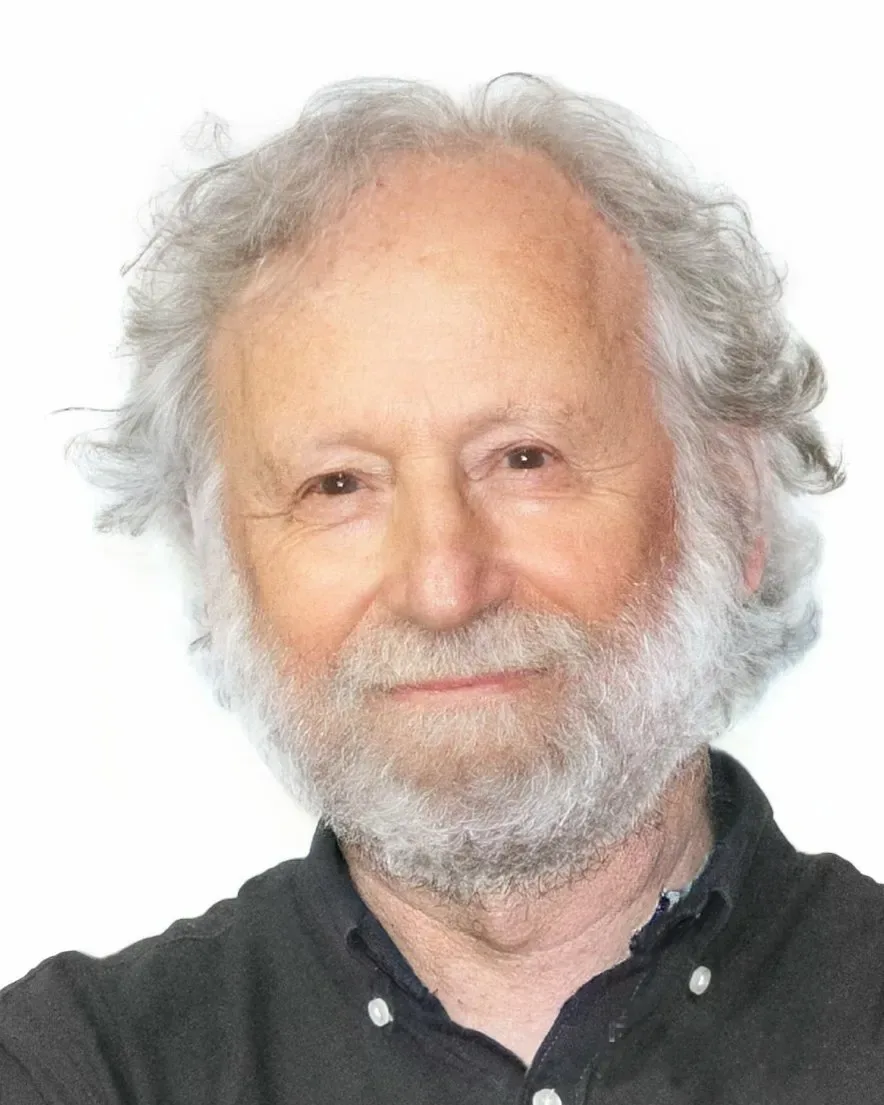
One example could be my two teachers, Raúl and Olga, who in a “very distant” future might look like this… I’d love to have them always around, teaching their classes, so my grandchildren can also learn from the best.
What added value could Reevolve bring to education?
As we have seen, this platform would have the technology to connect living people with family members or friends who have died, in a private area. But there would also be another area dedicated to education, where any student, at any time, could join a live online class with their “virtual teacher”.
This is where deep learning, artificial intelligence and machine learning would work their “magic”, so the virtual teacher learns from each session with each student. The idea is that every interaction with the student helps improve the classes.
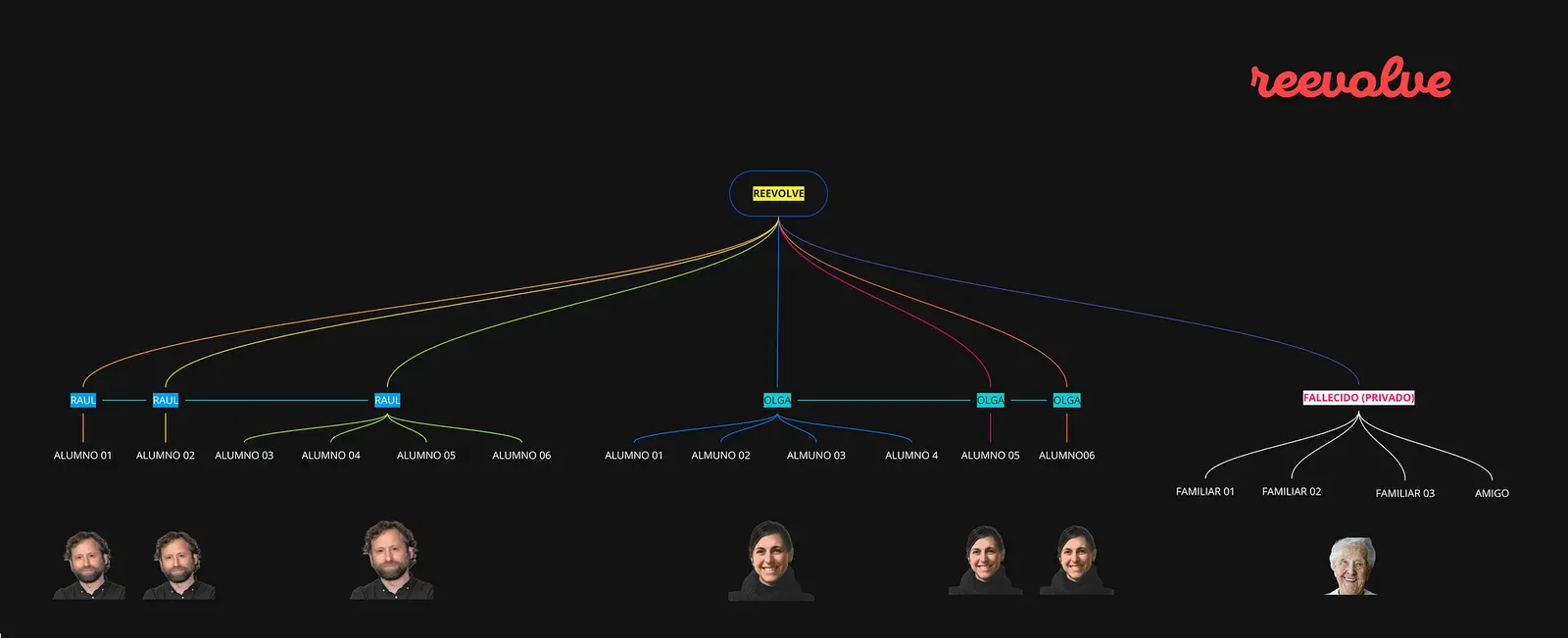
We could also have classes with more students per teacher, so it’s not a private lesson but a group class, where you can also learn from your classmates.
Website
The platform would take shape as a website.
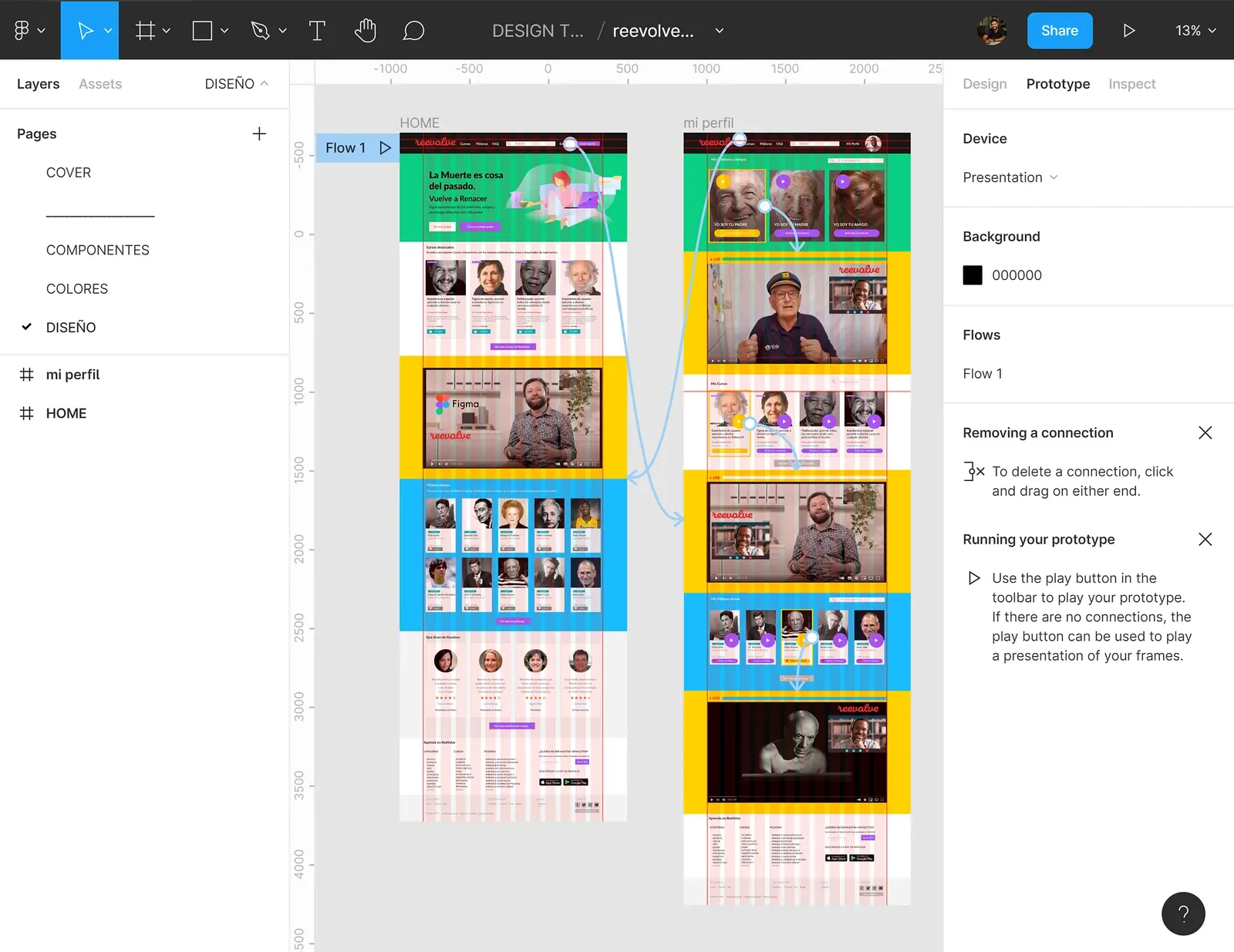
Below you can see in my Figma file how I set up the layout, with a grid based on the Bootstrap framework: 12 columns of 65 px, 30 px gutters and 15 px margins.
At the top of the home page I wanted a large hero banner to catch visitors’ attention. This is where attractive UX writing, together with well-placed CTA buttons, can generate a good number of leads.
On this page we can see featured courses, a sample video, a series of cards with short lessons from famous people who have died, a section with user testimonials to build trust, and a footer split into two bands that makes navigation easier.
In our private profile, we can find the family members or friends who have died and are available to interact with. We can also access the courses and short lessons we have already purchased.
Below is a video of the simple prototype in action, in case you want to take a look.
Conclusions
I have rarely learned so much in so little time (2 weeks), following a Design Thinking methodology (leaning more towards futures design).
We could say that futures design focuses on the long term, while Design Thinking focuses on the short and medium term. Design Thinking looks for a solution to a problem of today, while futures design looks for the possible problems of the future.
Design Thinking is centered on the person, while futures design is centered on one or more uncertainties.
I dived deep into an incredibly exciting world that, at first, could seem a bit “dark”: the dead and their relationship with the living.
To be honest, I’m not a big fan of science fiction, so even I was surprised when I chose this topic. Maybe it’s because I love challenges, and the Lola Flores video really touched me.
I don’t know. The point is that this topic seems to be starting to move people today, so I have no doubt that some of the questions I explored here could soon become possible. Just look at the interest in series like Black Mirror, which make us think about where we are going. Nothing could be “closer” to reality.
The future is getting closer and closer, and technology is warning us about the opportunities to come.
And now, I’ll let you “rest in peace”.
Thank you!